


Disrupting organ transplantation with unlimited, whole, AI-guided, human livers
The Khufu or Giza Pyramid in Egypt, built in ancient times, is the largest man-made pyramid, while the liver is the largest internal organ in the human body. This aspect of mass or size is a key component of therapy and is a major therapeutic challenge; incidentally, ability to achieve liver mass is one key aspect of Khufu's competitive advantage.
Khufu Therapeutics employs in vitro/in vivo manufacturing and tissue perfusion to grow personalized or allogeneic full-scale livers in just two months.
Founder Dr. Natesh Parashurama, MD PhD, is an MIT, Harvard, Stanford, and UCSF trained surgeon and bioengineer, former tenure track professor, who spent over 15 years in liver regenerative medicine uncovering novel mechanisms of liver growth, liver maturation, and the transition from growth to maturation.
Khufu's propietary platform integrates synthetic biology, organ engineering, and AI-driven computational modeling to build liver tissue rapidly and accurately.
There is no limit to the number of livers Khufu can grow. This will disrupt organ transplantation, starting from harvest stage to the transplant stage, rounding out the true need for new livers.
Khufu is revolutionizing how the world approaches organ failure, starting with the liver.

THE PROBLEM

Cirrhosis is a global epidemic hiding in plain sight.
Over 4 million Americans and 100 million people worldwide are living with end-stage liver disease, yet fewer than 0.25% receive a transplant each year. Every other patient is left to manage symptoms while their liver slowly fails.
Unlike other organs, the failing liver cannot be replaced by machines or treated with drugs. As fibrosis progresses to cirrhosis, the organ’s architecture collapses—hepatocytes die, scar tissue replaces healthy tissue, and function disappears.
For 20 years, major pharmaceutical and biotech companies have tried and failed to treat cirrhosis:
-
Drugs target seere inflammation cannot rebuild lost tissue.
-
Devices and bioreactors provide only temporary support.
-
Transplants are scarce, costly, and require lifelong immunosuppression.
-
iPSC-hepatocyte and 3D-printed approaches fall short in restoring full liver mass or function.
Liver Cirrhosis results in a devastating human and financial toll: millions dying without options, billions spent on palliative care, and no scalable cure in sight.
TRACTION
Accelerator

-
UC San Diego Campus
-
14-week program
-
Graduated July 2025
Intellectual Property
-
WO2024020326A1 (US) “Systems and Methods for in vitro and in vivo liver organoid growth and differentiation”
-
63/855,130 provisional filed July 2025
Publications
19 founding publications, 3 additional, latest submitted to Nature Biotechnology
Fundraising & Presentations
-
$700K academic grants + $175K pre-seed
-
BIO - Boston, MA - July 2025
-
Founder’s Corner - San Diego, CA - Sept 2025
-
Plug and Play- April 2025

Khufu livers can grow exponentially, as fast as a 1-million-fold increase in ~40 days.
Starting at 200,000 cells (small dose), we can potentially obtain 200 billion cells (clinical dose) for liver mass in ~40-60 days
OUR TEAM

Natesh Parashurama, MD PhD
Chief Executive Officer, Founder
MIT-Harvard-Stanford-UCSF-trained physician-scientist and bioengineer leading innovation in regenerative medicine.


Christopher Gaughan, PhD
Artifical Intelligence (AI) Specialist, Co-Founder
Innovator in monoclonal antibody optimization and protein production specializing in artificial intelligence and machine learning.
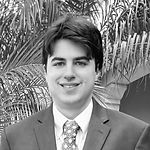
Daniel Guiggey, PhD
Data Scientist
Expert in finding meaningful patterns in complex health data with a background in bioinformatics and biological modeling.
BUSINESS ADVISORS

Julia Rasooly, MS
PuraCath Medical
President & CEO

Karthik Chandramouli
bookend.ai
Head of Healthcare Solutions & Partnerships

Neethan Lobo, PhD
Onena Medicines
CEO & Co-Founder
SCIENTIFIC ADVISORS

Paulo Martins, MD PhD
OU Health Transplant Institute
Liver Transplant Surgeon

Ramasamy Paulmurugan, PhD
Stanford University
Professor, Radiology/Molecular Biology and Imaging

David Wang, MD
Stanford University
Clinical Associate Professor, Liver Interventional Radiology
